
Q: Can you tell us a little about your background and how you became an artist?
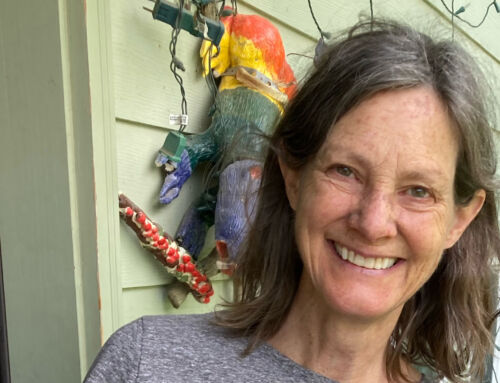
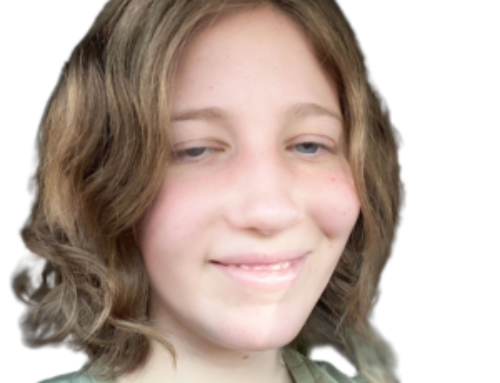
Marlaina: I’ve always been drawn to color, texture, and creative expression. As a child, I loved painting, cutting paper, and working on various projects, but I initially pursued acting. I went to drama school, but I was fascinated by the behind-the-scenes aspects—set design, costumes, and visual storytelling. When I moved to Los Angeles, I started working in film and gradually discovered a love for faux finishing and decorative painting. That passion led me to work with an established artist in Los Angeles, where I honed my skills in murals and faux finishes for high-end homes. Eventually, I started my own business in New York, working on both residential and commercial spaces, before shifting to canvas work when I had my son.
Q: How would you describe your artistic style, and has it evolved over time?
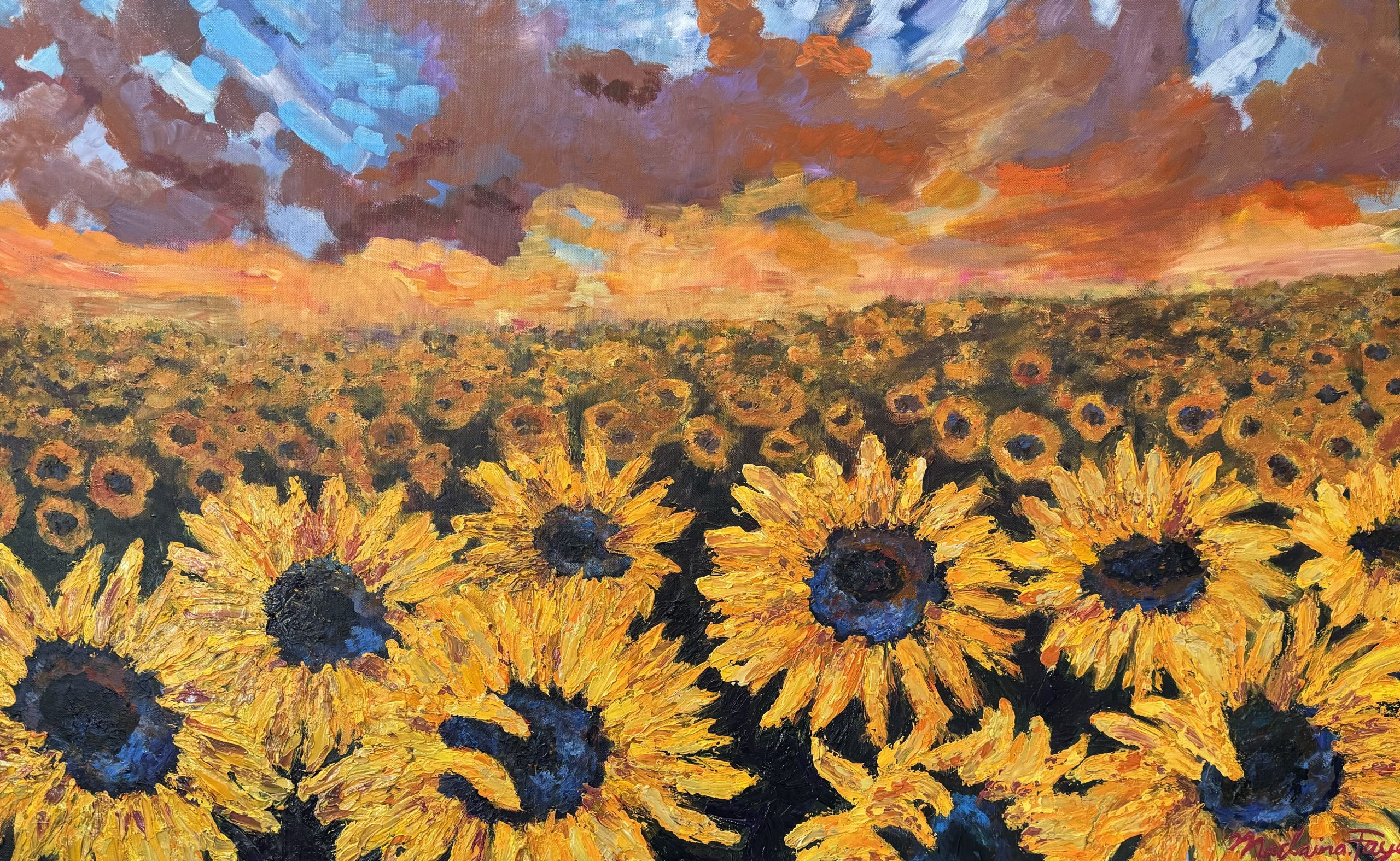
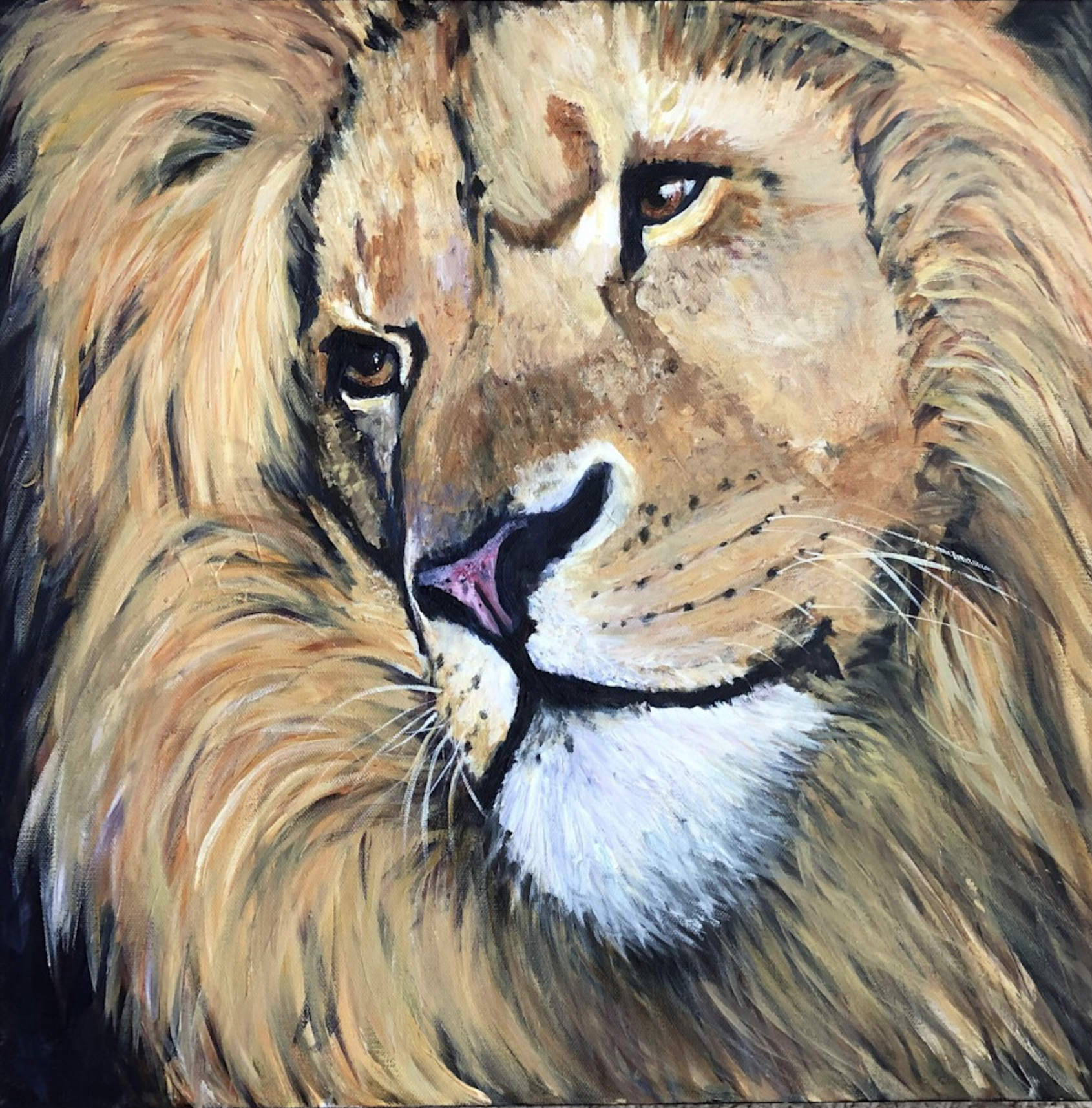
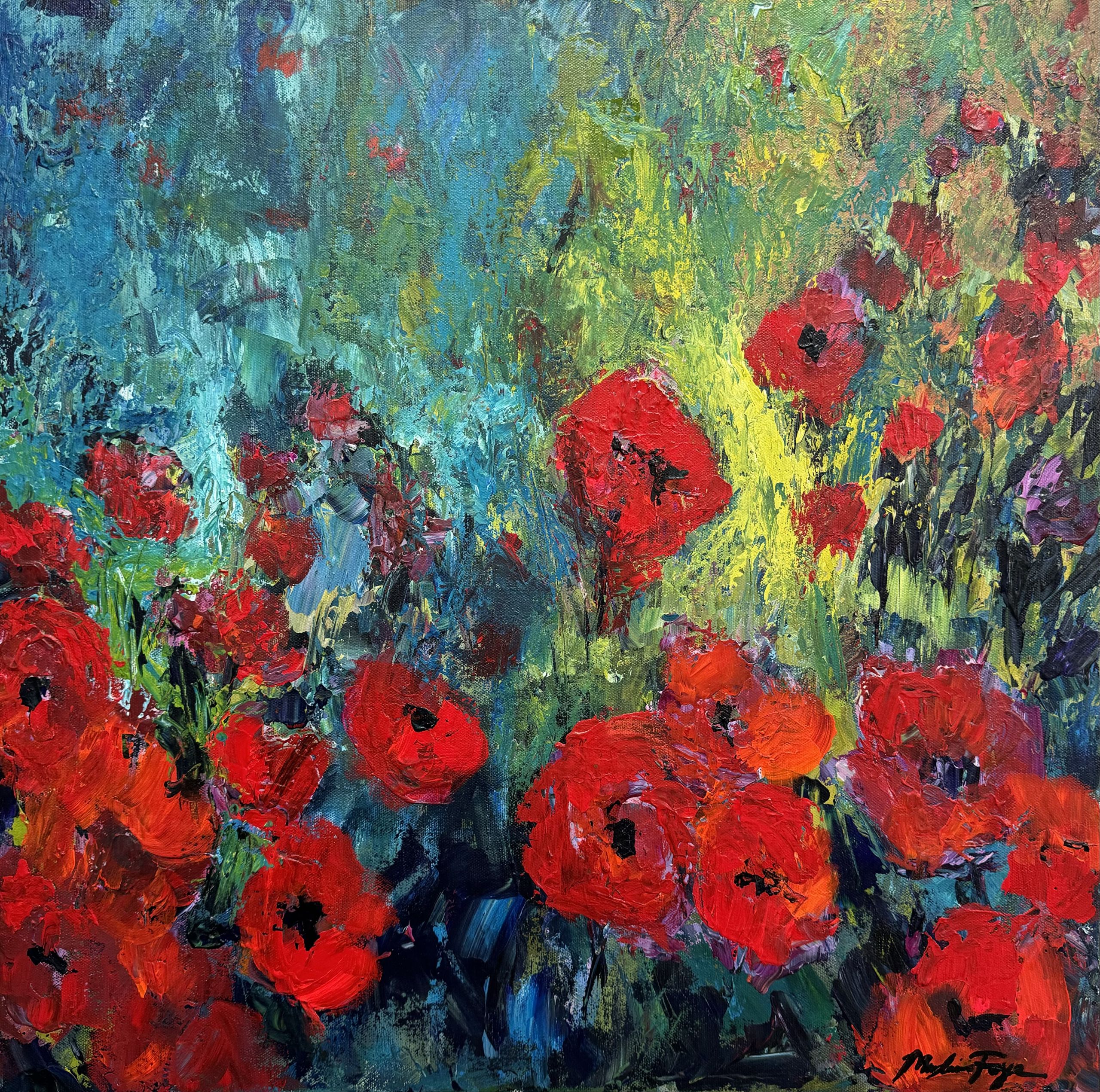
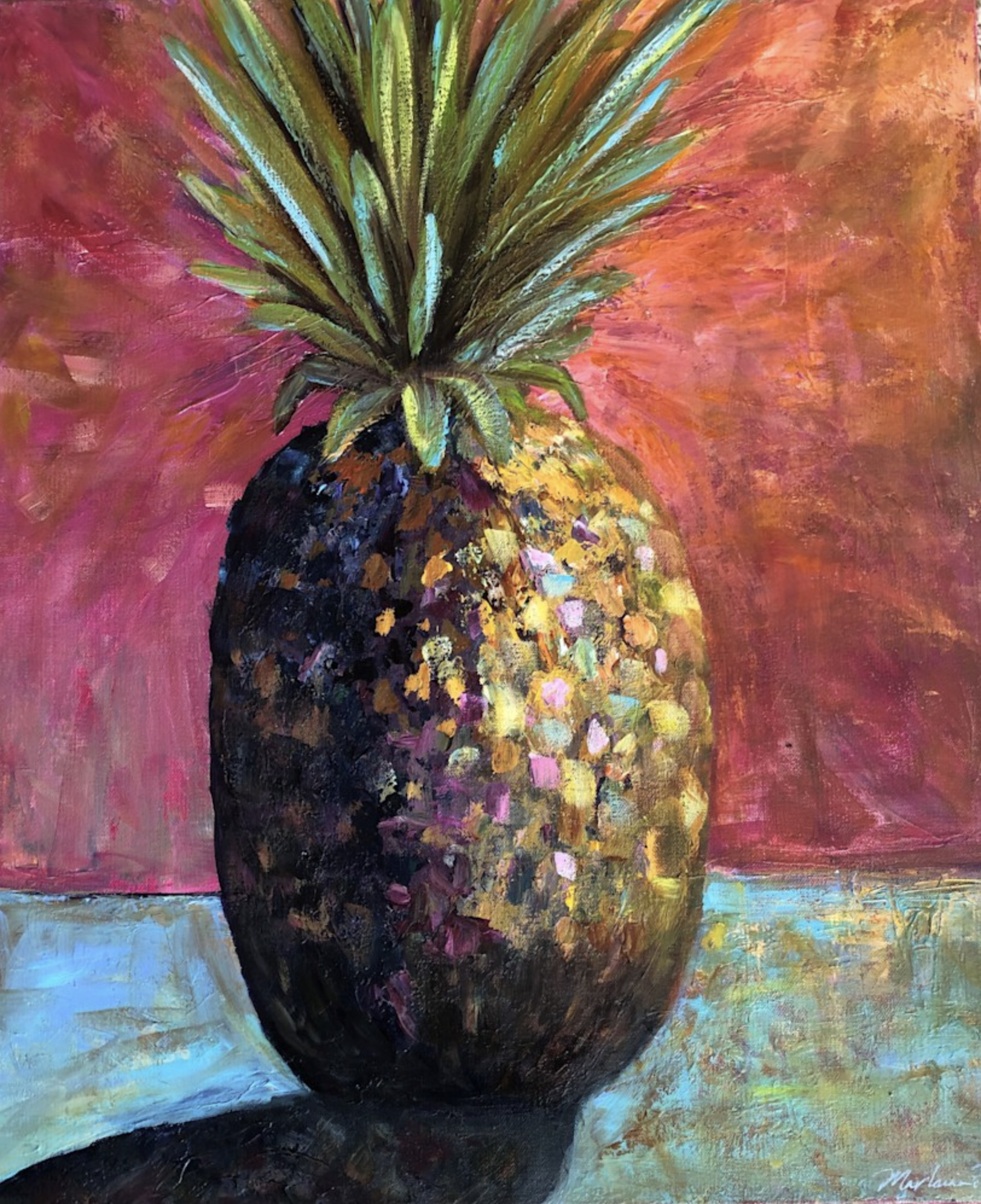
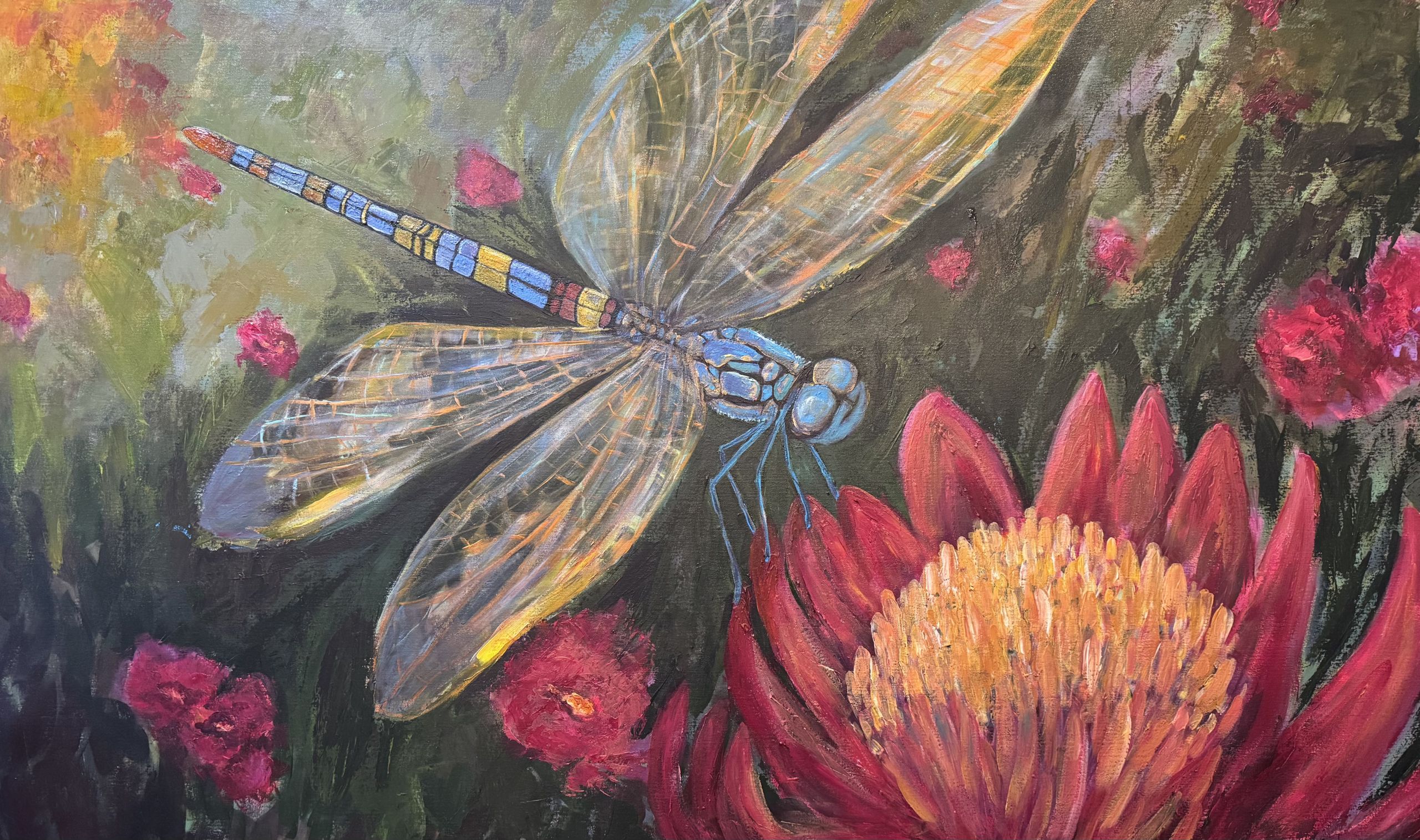
Marlaina: My work has always been rooted in texture. After working in faux finishing and architectural finishes, I started incorporating those elements into my paintings. I love working with thick, buttery paint mixed with gels and pigments to create depth. Early on, I focused on highly detailed, almost photo-realistic work, but as I grew, I embraced a looser, more expressive style. Now, my paintings capture emotion and movement, often through mixed media, including charcoal and pastels. I also include gorgeous papers that I find or recycle.
Q: What inspires your artwork, and how do you choose your subjects or themes?
Marlaina: Nature is my biggest inspiration. Living in Colorado, I’m constantly in awe of the landscapes, changing light, and rich textures. I often take drives before meetings or appointments just to explore new angles and perspectives. I also love incorporating natural elements into my work—whether it’s the reflection of mountains in a lake, the texture of tree bark, or the way the sky changes throughout the day. Beyond landscapes, I explore themes of mystery, emotion, and connection in my work.
Q: Can you walk us through your creative process, from idea to finished piece?
Marlaina: It usually starts with an experience—seeing something that moves me. I take photos, make sketches, and jot down notes about what captivated me. Then, I create small thumbnail sketches to explore composition and emotion. From there, I decide on a color palette, often limiting it to a few hues to maintain harmony. I work in layers, incorporating different textures and materials, stepping back often to assess the direction. I don’t always know when a piece is finished, but I trust my intuition. If I lose the feeling that initially inspired me, I either stop or completely rework it.
Q: What challenges have you faced as an artist, and how have you overcome them?
Marlaina: One of the biggest challenges is self-doubt. It’s easy to question whether your work is good enough or if people will connect with it. Another challenge is balancing art with the business side—marketing, selling, and putting yourself out there. I’ve learned that persistence is key. Surrounding myself with a supportive artistic community has helped immensely.
Q: Do you have a favorite painting or series you’ve worked on?
Marlaina: My favorite piece is usually the one I’m currently working on! I get deeply involved in each painting, and my excitement carries through to my next project. Recently, I’ve been exploring mixed media landscapes and animal portraits with expressive backgrounds. I love combining deep, moody colors with texture and movement.
Q: Have there been any local artists or artistic movements that influenced your work?
Marlaina: Absolutely. I’ve taken workshops with artists like Lael Har and Jacque Michelle. I also follow the ‘daily painting’ movement—not necessarily painting every day, but making time for creative expression regularly. Social media has connected me with many inspiring artists.
Q: How do you see art impacting our community?
Marlaina: Art is a powerful tool for connection and self-expression. It should be accessible to everyone, regardless of background or financial means. There are so many ways to get started—using recycled materials, joining local groups, or even painting outside. Spaces like East Side Art Institute will be vital in fostering creative opportunities for the community.
Q: What advice would you give aspiring artists looking to share their work with the world?
Marlaina: Just start. Don’t wait for the perfect materials or formal training. Use what you have, experiment, and allow yourself to create without fear. Find local meetups, reach out to coffee shops about displaying your work, and connect with other artists. And most importantly, trust yourself.
Q: Where can people see or purchase your artwork? Do you have any upcoming exhibitions or projects?
Marlaina: My work can be found at www.marlainafaye.com and I’m on Instagram as @marlainafaye. I belong to Boulder Open Studios, which is a fabulous way to showcase my work (first three weekends of October) and connect with the artist community. I’m also a member of the East Boulder County Artists.